
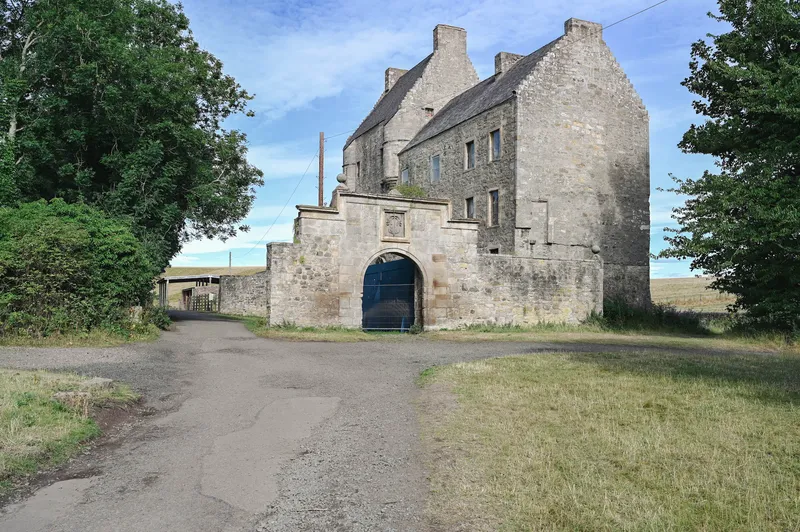
Hui, today we start really early and we are already 3/4 7 o'clock in our Flitzi. Despite holidays today an alarm clock was set for 6 o'clock, because today is our "castles day". We are going to do a bigger tour and have booked the day with tickets quite full. The start and one of the fix points for the Scotland trip is the Mid-hope Castle
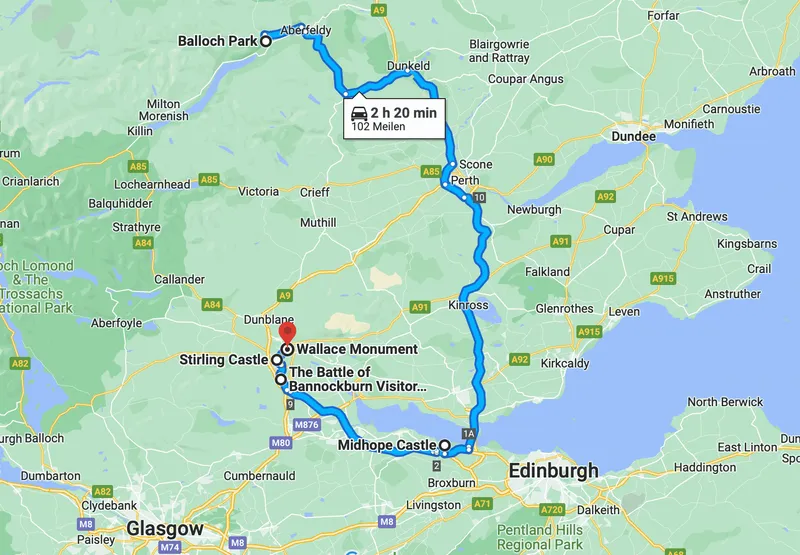
Mid-Chope Castle
Under the name Mid-hope Castle it is probably not as well known as under the name "Lallybroch" for all the Outland fans. You notice here also quite strongly the interest and the Outland fans. And yes, we are here too. After we have really "purely pulled" Outlander from the beginning to the (current) end in the original sound, the locations here are for us something like a "must-ha-ha-seen"
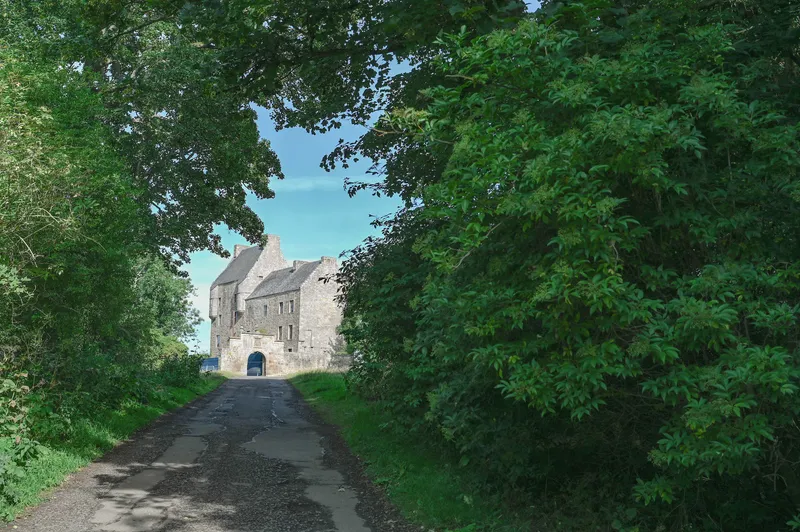
There are currently no shootings here, but until a few weeks ago it was closed for shooting, because it is currently being shot on season 7. So we are lucky and are allowed to sit up to the stairs before we want to sit on it. Magnificent feeling and a great touch of magic swing along here. So we sit here on the stairs, walk along the street and get into the scenes in the movie
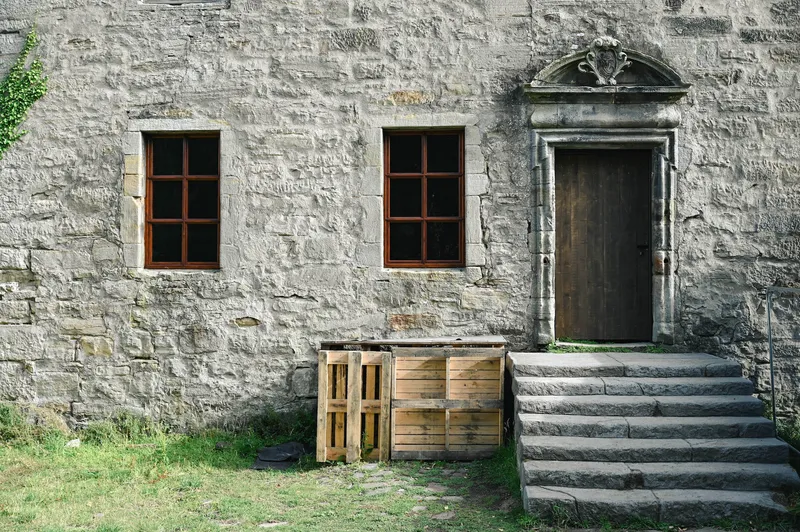
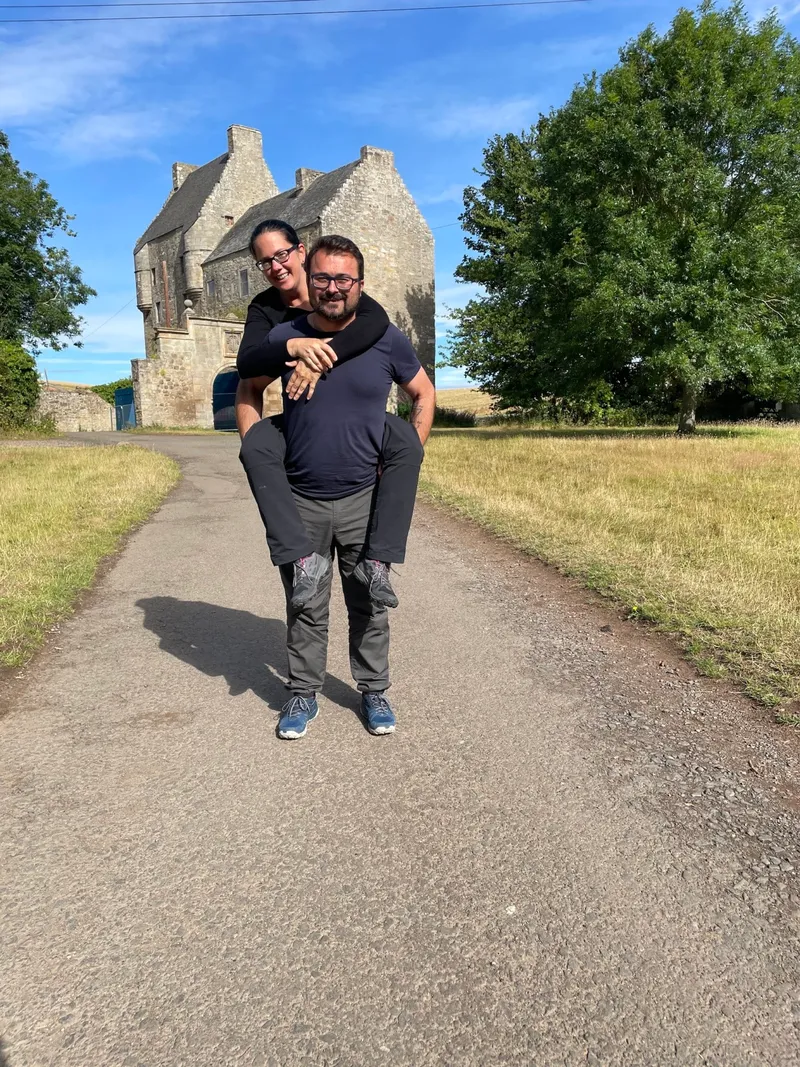
💡 About Mid Hope CastleAbout four kilometers west of South Queensferry is Mid Hope Castle. It is located near the south shore of the "Firth of Forth. Originally built in the 16th century as a four-storey tower house, it was constructed from broken stone. It has a square floor plan and a sloping-covered saddle roof. On the northern front of Mid Hope Castle there is a elaborately designed entrance portal in the Renaissance style. Alexander Drummond of Mid Hope of the clan Drummond is considered to be the builder of Mid Hope Castle in the late 16th century. After that, the Earls of Linlithgow of the clan Livingstone were the owners. In the 17th century, the 17th century, the Earls of Linlithgow of the clan Livingstone was the owner In the early 19th century, Mid-Chope Castle was added two additional additions, including the three-storey east wing. In 1678, the family bought the Hope Mid-Chope Castle. The family owned the east property with the Castle of Hopetoun House and ceded Mid-Chope Castle to the existing property. In the ownership of the Family of the Hope, the building was then divided into many individual units and served as a lodging for the employees of the property. Mid-Chope Castle was inhabited until 1926 and then left to decay In 1971, the building was included in the Scottish list of monuments in the highest category A and around 1990 extensive restoration work was carried out to save the building from decay. In addition to the historical value of Mid-hope Castle, the film sequences of the TV series "Outlander" were also made there, thanks to the popularity of Mid-hope Castle among visitors. The same is true of the "Mitterhouse". Both buildings are located on the "Hopetoun Estate", the "Hopetoun Estate"
Battle of Ban Stoneburn
Our next station is only a few miles away and it's the "Battle of Ban Stoneburn"tototototototototototototototototototototototototototototototototototototototoBattlefield of CulloddenThis is probably one of the most important battlegrounds in the history of Scotland. On that day in 1314, under the command of Robert the Bruce, Scottish troops defeated the English troops under the command of Eduard II. This battle has therefore also been history, as the Scots were in undernumber in the ratio of four to one, and yet have managed to do so. This was the foundation stone for Scotland's independence from England 13 years later
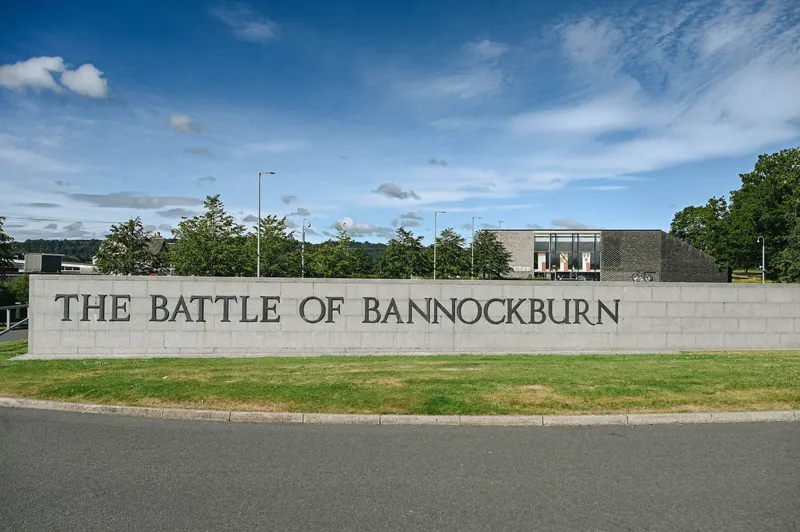
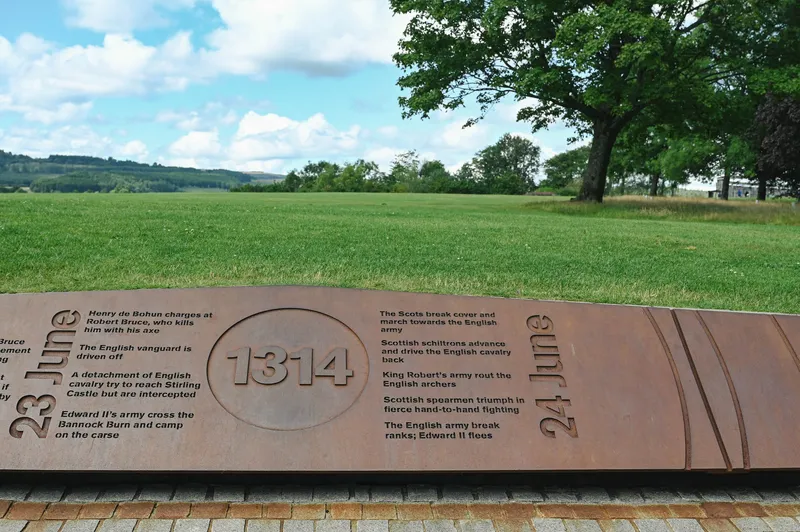
As already mentioned,Battlefield of Cullodden,The battlefield in Ban Stoneburn is also a whole set of its own with a lot of goose bumps. You stand here in the open air, above us the Scottish flag blows and around us music plays in a complete sound and we have goose bumps
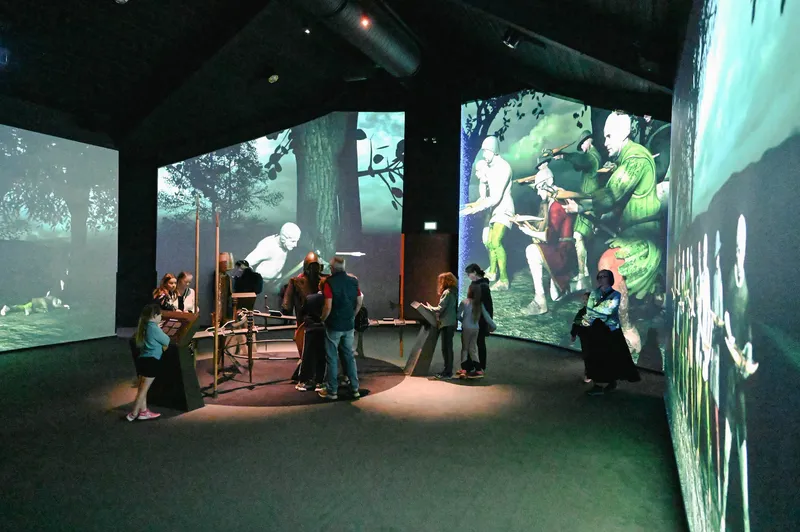
Before we went outside, we looked directly at the center of the tour and it was well prepared for the tour. A complete multimedia show and a lot of knowledge through the tour guide complete the experience here. Above all, the large, visually designed room in which it was about the battle was prepared by the hammer and you have the feeling to stand in the middle of it
We hear from a distance from the statue of Robert the Bruce that where the bagpipe is played. When we get closer we find that a troupe is standing on the meadow and playing in a cozy round in front of it. We listen and enjoy! We quickly notice that it is a German holiday group, which absolutely wanted to play a piece right before Robert the Bruce and they do so now. They take their things, build the GoPro, set up directly in front of the monument and start again tototototobetobetobetobetobetobetobetobetobetobetobetobetobetobetobetobefromtheproproproproproproproproproproproproproprosfromtheprosfromtheproprosfromtheprosfromfromfromtheprosfromfromfromfromfromfromtobebebebebebebebebebebebebebebebefromfromfromfromfromfromtobefromfromfromtobefromfromfromfromthethethethethethethethethethethethebebebebebebebebebebebebebebebebebebebebebebebebebebebebebebebebebebebebrsthebebebebrsthebebebebebebrsthebebebebebebebebebebebe
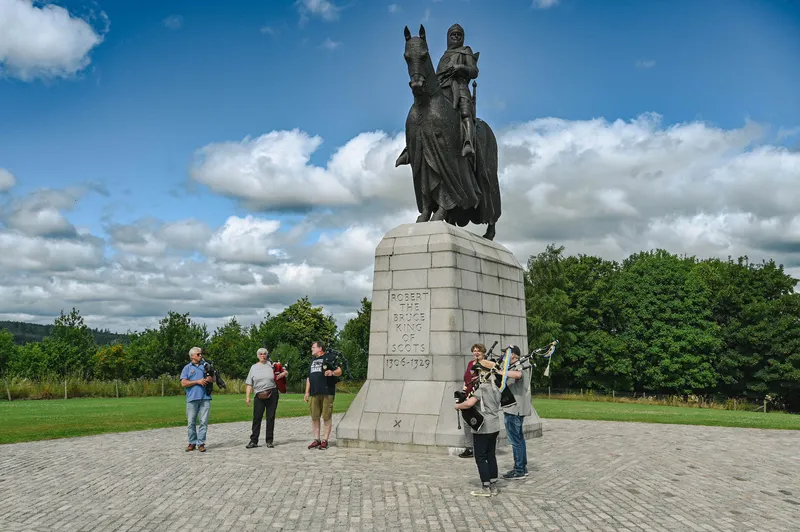
And what do we do? Yes exactly - we also take our things, drag them with us and let us down right there to just sit in the grass and listen again! - From the goose bumps we have here again, we don't have to mention much, do we? Sunny weather, on the meadow to lie in the Battlefield of Ban Stoneburn and very close to us several bagpipes sounding loud.... --to...to...to...to...to...to...to...to...to...to...to...to...to...to...to...to...to...to...to...to...to...to...to...to...to...to...to...to...to...to...to...to...to...to...toto...to...to...to...to...to...to...to...to...to...to...to...to...to...to...to...to...to...to...to...to...to...to...to...to...to...to...to...to...to...to...to...to...to...to...to...
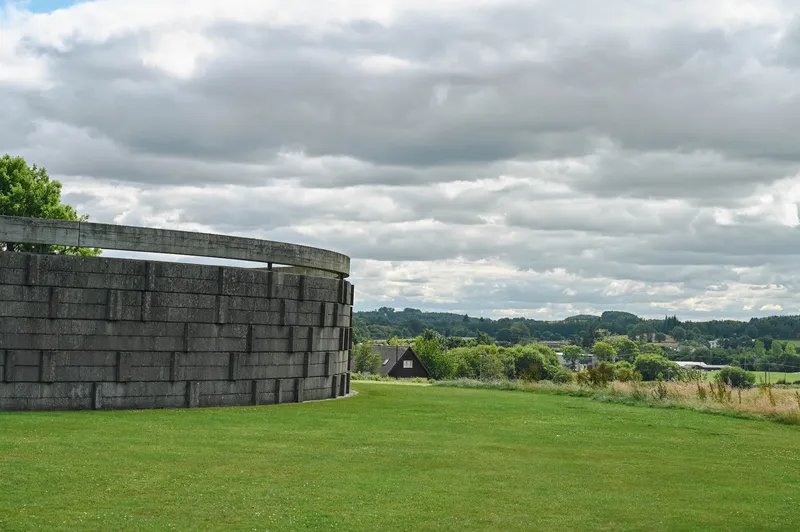
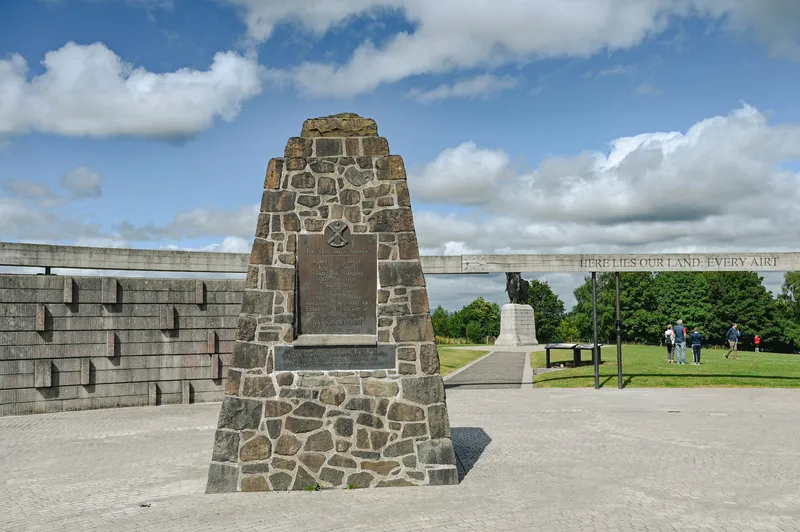
💡 Information about the Battlefield Ban Stoneburn theThe small village of Ban Stoneburn is located near the town of Stirling in the Council Area of the same name. The village of Ban Stoneburn owes its name to the Ban Stone creek. Ban Stoneburn is the former marshland of Ban Stoneburn, which extends to the outer city limits of Stirling. The Ban Stoneburn marshland has become famous by the Battle of Ban Stoneburn on June 23 and 24, 1314. The Scottish army under the leadership of Robert I (the) Bruce won a historic victory against King Edward II with his considerably larger English army The Battle of Ban Stoneburn preceded the siege of the Scots of Castle Stirling in the spring of 1314. Castle Stirling had been under English rule since 1304. The position of the English army was hopeless and the commander Sir Philip Mowbray intended to hand over Castle Stirling, the strategically important castle, to the Scots if he did not receive military support from England by the end of June. English King Eduard II did not want Castle Stirling to fall into the hands of the Scots and mobilized a large army with about 20,000 soldiers. The Scottish army consisted of only about 5,000 soldiers Although the battle on Battlefield Ban Stoneburn was relatively meaningless on the first day, the Scottish army was already superior despite its undernumber. King Eduard II proved to be an incompetent commander in this battle and trusted in his superiority. On the second day of the battle, the larger army of his soldiers made it almost impossible to gather his soldiers, driven back to the river by the Scottish soldiers who had been ordered to go before, where many English soldiers drowned Another decisive mistake of King Eduard II was not to cover his archers with the infantry, so the Scots could easily fight them. The battle became the complete defeat of the English army and King Edward II could only barely escape. Today the swamp of Ban Stoneburn is a great meadow where once the decisive battle took place. A visitor center informs multimedial about many details and the course of the battle. In honor of Robert I a horseman statue "Robert the Bruce, was built Every year the Scots commemorate this important battle with a march from Stirling's city centre to the field of Ban Stoneburn and lay down a wreath at the equestrian statue of Robert I the Bruce
Stirling
We are in Stirling a few minutes or a few miles further. Here there are just so many impressions and great places. We quickly notice here that we have planned Stirling too little time in our trip. We therefore set off to Stirling Castle and are very excited about the area up here
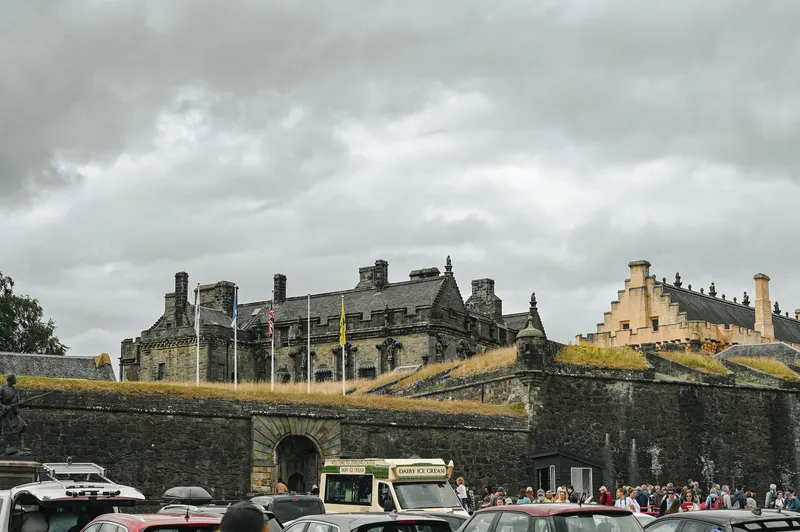
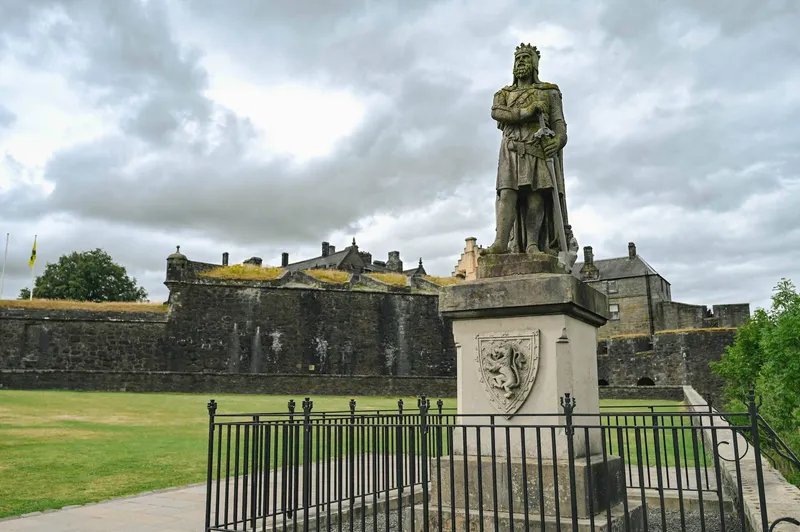
💡 Things to Know about Stirling and Castle Stirling totototototototototototototototototototoThe town of Stirling is located northwest of Edinburgh, with about 36,000 inhabitants. Stirling has a medieval old town, which developed around Castle Stirling, which sits on the hill of the town. Today it looks like a sleepy town. Nevertheless, Stirling has once been of great importance, not least because of the castle. Stirling became a symbol of Scotland's refusal to recognize the English authorities Two times the Scottish battle against the English was fought near Stirling and both times the battles ended with the devastating defeat of the English against the Scots. Today Stirling reminds in many waysEdinburghand the Scots say that Stirling is the smaller edition of Edinburgh, just a little smaller, a little more compact and much more comfortable. However, when it comes to the historical heritage, Stirling is one of the very great ones. The Scots believe that their history rests on two rocks, where Stirling Castle and Edinburgh Castle were built. According to their importance, Stirling has many sights from the history of Stirling. The most important are undoubtedly Stirling Castle and the Wallace Monument A walk through the well-preserved old town inevitably leads to the remains of the 16th century city walls. Also worth seeing is the medieval prison of Stirling, the Tolbooth, which today represents the artistic and musical heart of the city. Stirling Castle stands on the hill above the town of Stirling and has steeply sloping rock walls up to the south. The time of the construction dates back to the first evidence in 1110, the current building stock from 1460 to 1667. Castle Stirling is one of the most beautiful sights of Scotland and is constantly visited by tourists In addition to old cannons and valuable tapestry, there is much to see in the castle and learn about the history
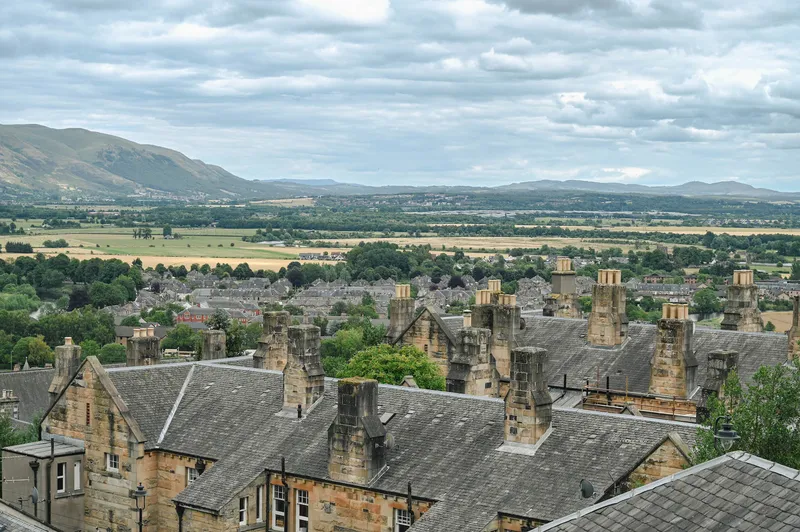
Wallace Monument totototototototototototototototototototototototototototototoReadReadReadReadReadReadReadReadReadReadReadReadReadReadReadReadReadReadReadReadReadReadReadReadReadRead before beforethe
Our second fixed place for Stirling is the Wallace Monument. We park our Flitzi at the parking lot and then it goes up quite steeply directly to the monument and the view of the city of Stirling. Here it would be possible to get tickets for the inside, but we leave this out consciously, because we still have a big highlight ahead of us for today
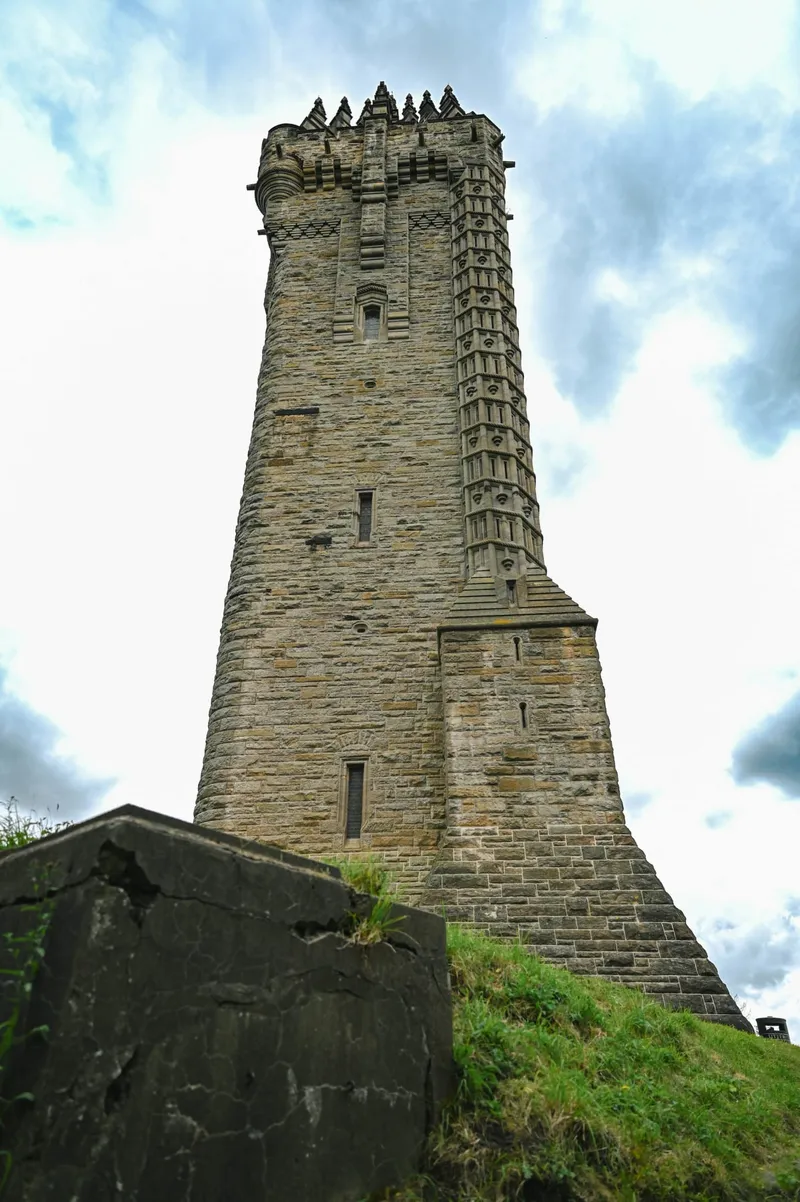
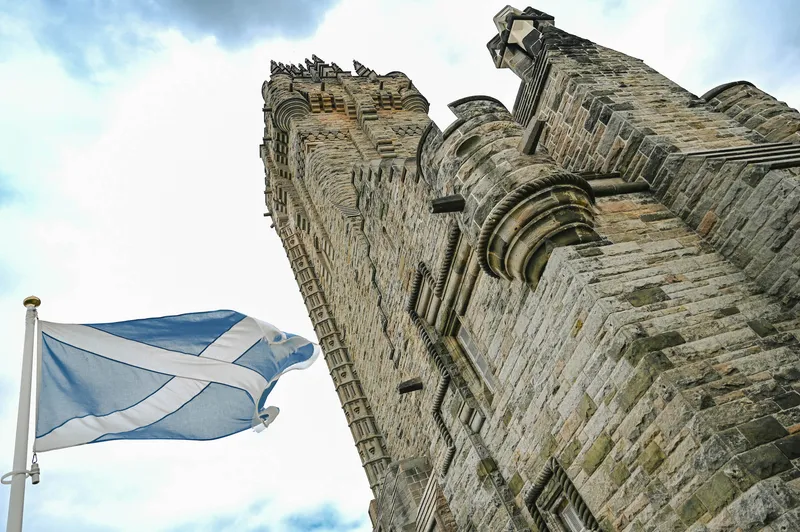
💡 About the Wallace Monument the Wallace Wallace Wallace Wallace Wallace Wallace Monument and Wallace Monument and Wallace Monument and Wallace Monument and Wallace Monument and Wallace Monument and Wallace Monument and Wallace Monument and Wallace Monument and Wallace Monument and Wallace Monument and Wallace Monument and Wallace Monument and Wallace Monument and Wallace Monument and Wallace Monument and Wallace Monument and Wallace MonumentsThe Wallace Monument is one of Stirling's landmarks, although it was deliberately not built in the city, but 1.5 km northeast of Stirling on the Hill of the Abbey of the Holy Spirit. It is the hero monument of William Wallace, who in 1297 won over the troops of the English King Eduard I in the Battle of the Stirling Bridge. Through the rebellion of the Scots and the battle that was successful for the Scots, English rule quickly collapsed in large parts of Scotland. Later, however, William Wallace was betrayed and sentenced to death in London and hanged It was only 500 years after William Wallace's death that the monument was built in 1860. The construction of the four-edged tower, 67 meters high, lasted until 1869. The site of the monument was not where the victorious battle of William Wallace took place, but far from the city centre. It was not intended to be a monument to the ordinary people, but to the Victorian elite. The original monument of 1896 also did not have a statue of the folk hero William Wallace, but was added 18 years later in 1887 The Wallace Monument was built on the 91-meter-high Hill of the Hill of the Hill of the Hill of the Hill of the Hill of the Hill of the Hill of the Hill of the Hill of the Hill of the Hill of the Hill of the Hill of the Hill of the Hill of the Hill of the Hill of the Hill of the Hill of the Hill of the Hill of the Hill of the Hill of the Hill of the Hill of the Hill of the Hill of the Hill of the Hill of the Hill of the Hill of the Hill of the Hill of the Hill of the Hill of the Hill of the Hill of the Hill of the Hill of the Hill of the Hill of the Hill of the Hill of the Hill of the Hill of the Hill of the Hill of the Hill of the Hill of the Hill of the Hill of the Hill of the Hill of the Hill of the Hill of the Hill of the Hill of the Hill of the Hill of the Hill of the Hill of the Hill of the Hill of the Hill of the Hill of the Hill of the Hill of the Hill of the Hill of the Hill of the Hill of the Hill of the Hill of the Hill of the Hill of the Hill of the Hill of the Hill of the Hill of the Hill of the Hill of the Hill of the Hill of the Hill of the Hill of the Hill of the Hill of the Hill of the Hill of the Hill of the Hill of the Hill of the Hill of the Hill of the Hill of the Hill of the Hill of the Hill of the Hill of the Hill of the Hill of the Hill of the Hill of the Hill of the Hill of the Hill of the Hill of the Hill of the Hill of the Hill of the Hill of the Hill of the Hill of the Hill of the Hill of the Hill of the Hill of the Hill of the Hill of the Hill of the Hill of the Hill of the Hill of the Hill of the Hill of the Hill of the Hill of the Hill of the Hill of the Hill of the Hill of the Hill of the Hill of the Hill of the Hill of the Hill of the Hill of the Hill of the Hill of the Hill of the Hill of the Hill of the Hill of the Hill of the Hill of the Hill of the Hill of the Hill of the Hill of the Hill of the Hill of the Hill of the Hill of the Hill of the Hill of the Hill of the Hill of the Hill of the Hill of the Hill of the Hill of the Hill of the Hill of the Hill of the Hill of the The tower is the most famous building in the world, and the tower is the most famous building in the world totototototototototototototototototototototototototototototototototototototototototototototototototototototototototototototototototototototototototo
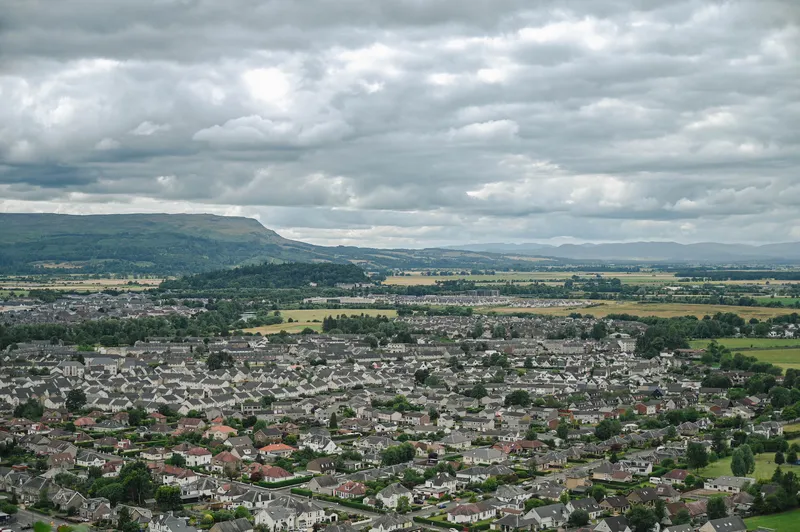
Doune Castle toC
A place that has already set itself in scene for some filming locations. Allen counts here for us again Outlander, where it was available as Castle Leoch. But Game of Thrones must not be unspeakable here either, because who doesn't know "Winterfell"? Then here is Monty Python "The Knight of the Coconut" to mention
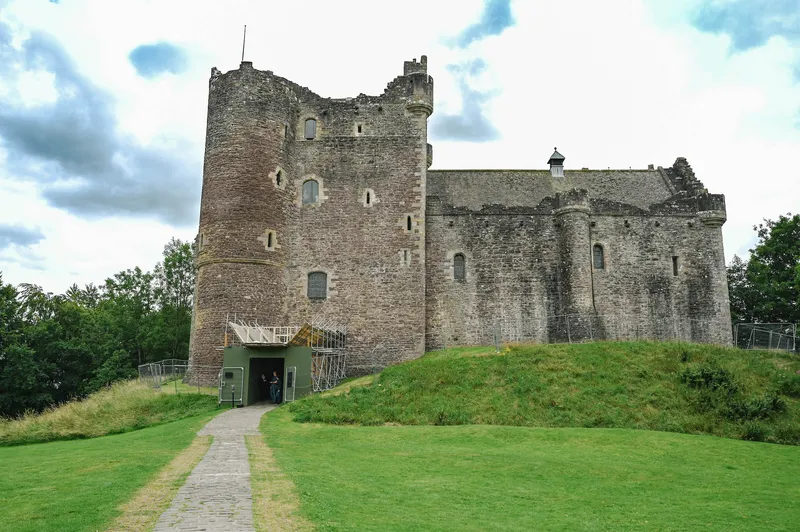
We have booked tickets for Doune Castle again in advance and can go through them directly. We still get audio guides and can start our tour. Very great experience here: There are the "normal" audio guide stations and then there is a separate series for Outlanders. Here you can get guided by "Jamie Fraser" through the castle and get a lot of background knowledge about Doune Castle and the shooting on site
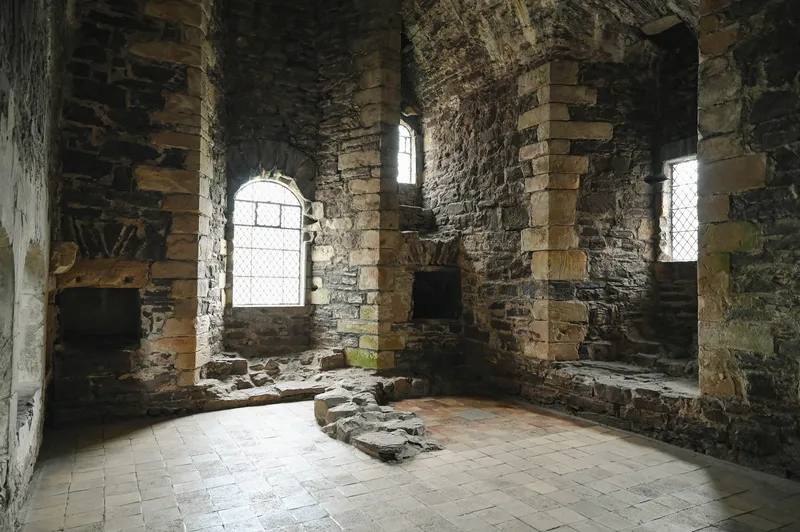
💡 Things to know about Doune CastleAt the foot of the Trossach Mountains in the Scottish Highlands is the late medieval castle Doune Castle. It was built on a rock spur over the Teith River in the former county of Stirling around 1390, by the 1st Duke of Albany Robert Stevid. It is assumed that there was a different fortification at this place before. Due to its exposed location with steep slopes on three sides, the castle is well protected from attacks and easy to defend. Doune Castle served the Scottish prince Robert St In the 17th century, Scottish monarchs, Doune Castle, used as a residence and hunting lodge, for example, Maria St. John. In 1745, Bonnie Prince Charlie occupied Doune Castle during the Jacobite uprisings. A few decades later, Doune Castle was abandoned and restored by George St. John the 14th Earl of Moray at the end of the 19th century. The castle has never been completed. The large courtyard is surrounded by high, protective walls. Around the courtyard there are some residential and representative buildings The ground floor of the residential tower is covered by a 14-metre-long arched gateway and a large hall with kitchen. Doune Castle has already served as a backdrop for many films and series, such as: - Ivanhoe – The Black Knight - The Knights of the Coconut - Game of Thrones - Outlander Sightseeing tours are being carried out. A bus service runs several times a day from Stirling to Doune. The castle is located after about 10 minutes walk on the south-eastern edge of Doune
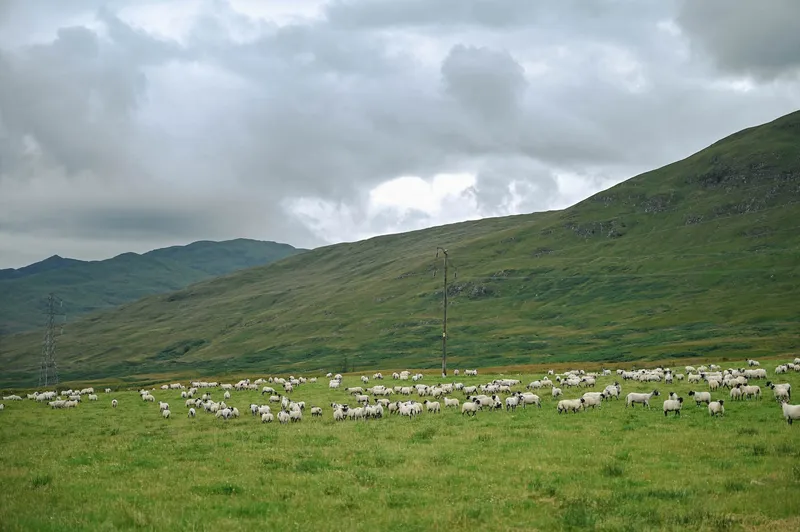
Sheep herds moved
We have a great experience on the way home. Between Killin and Kenmore we are just wondering why a family is still on the side of the road and then just after us stands on the road and shuts off it. And here we hear: a lot of sheep scream like wildly and confused and already a column starts to move from one pasture to the other pasture
They are getting faster and faster and cross the road behind us. We can't even appreciate how many sheep there are, but it feels like it's 100e. It's hard to keep up in the car and so we stop and jump out quickly to watch and enjoy another experience
Conversations along the way
Approved comments from the original article, in their original language.
[…] verloren sie aber auch im gleichen Jahr noch wieder an die Engländer. Erst im Jahre 1306 gelang es Robert the Bruce, nachdem er König von Schottland wurde, endgültig Urquhart Castle unter seine Kontrolle zu […]
[…] Geschichte von Schottland war für uns das Dunnottar Castle ein richtiges Highlight, und auch das Midhope Castle & die Rosslyn Chapel weit vorne. Beides halt Locations von Drehorten wie Outlander, Sakrileg. […]